
University of Glasgow – Neuroscience Research
The University of Glasgow is recognised as one of the world’s leading institutions for neuroscience research. Our interests range from mapping synaptic circuits within the central nervous system, to high-level analyses of mental processes such as language, decision-making, and reasoning. Fundamental and translational research focused on understanding brain function, health, and disease is carried out in several research units including those in the School of Psychology and Neuroscience, the School of Infection and Immunity, and School of Molecular Biosciences.
More information about the neuroscience research at the
University of Glasgow can be found here.
The School of Psychology and Neuroscience
The School of Psychology and Neuroscience, situated within the University of Glasgow’s College of Medical, Veterinary, and Life Sciences, was founded in 2022 from the amalgamation of the former School of Psychology and Institute of Neuroscience. Neuroscience researchers in the School work across the spectrum of investigation from the study of social interaction all the way to the investigation of how connections between neurons change under pathological conditions associated with neurodegenerative diseases of chronic pain conditions. More information about the neuroscience research at the University of Glasgow can be found here.

Current research groups include
The Gonzalez-Rueda lab, led by Dr Ana Gonzalez-Rueda, investigates how sensorimotor circuits are built and reshaped to generate behaviour. We focus on how salient sensory information is transformed into motor actions, and how these circuits adapt to support flexible, new, changing and sometimes conflicting behaviours. Combining electrophysiology with viral and genetic tools and quantitative behavioural paradigms, we examine how circuit plasticity shapes sensorimotor encoding. Together, these approaches allow us to identify the mechanisms that enable circuits to adjust to changing demands, revealing fundamental principles of neural adaptability with long-term implications for neurological disorders.
https://www.gla.ac.uk/schools/psychologyneuroscience/staff/anagonzlezrueda/#
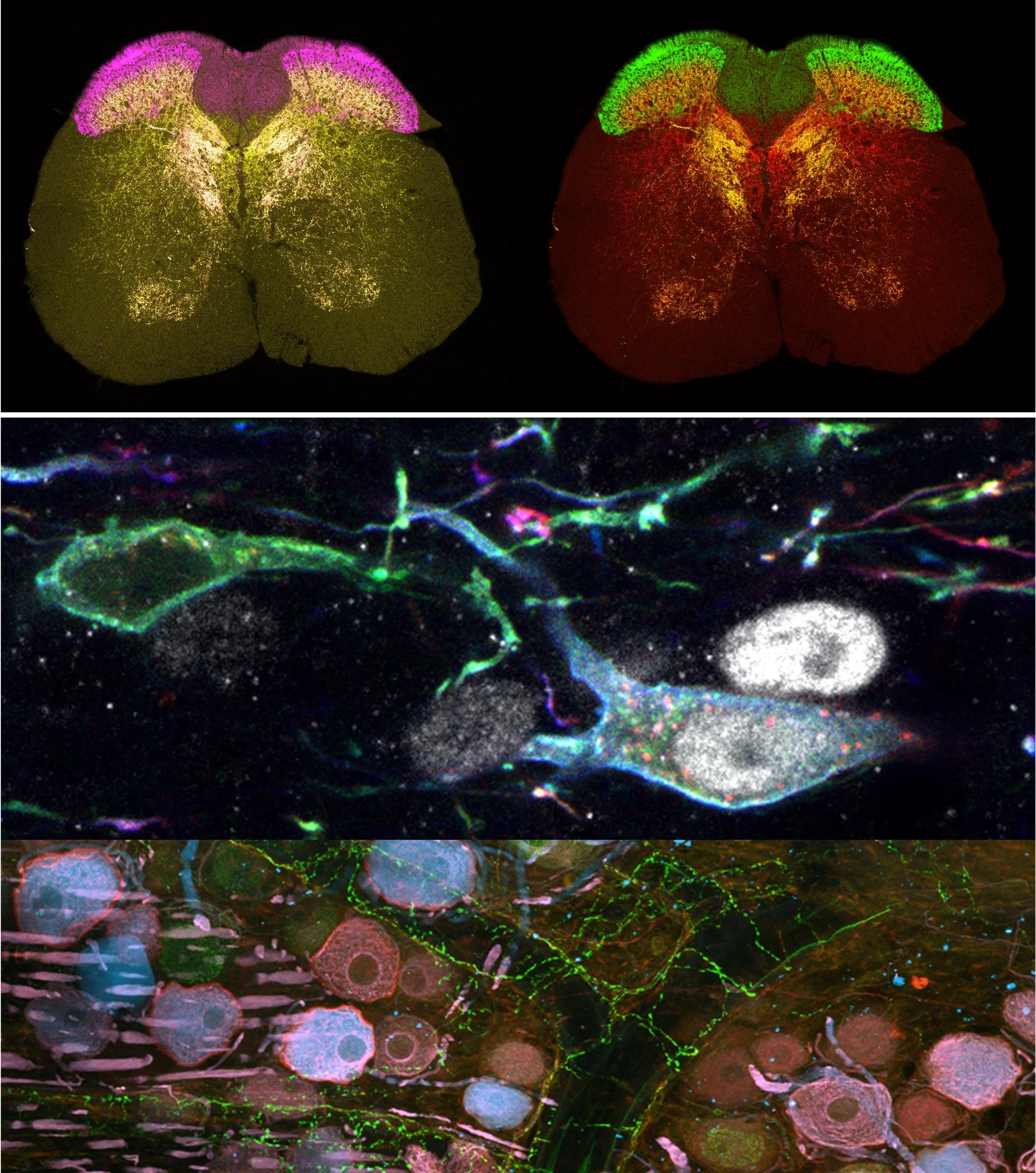
The Hughes lab is led by Professor David I Hughes. Their research aims to improve our understanding of the complex neurocircuitry in the spinal dorsal horn, an area of critical importance in allowing us to perceive the sensations of temperature, touch, pain, and itch. We use a combination of anatomical and electrophysiological approaches in both human and rodent tissue to identify and define individual cell populations, and determine how their activity influences our ability to perceive different sensations in healthy and pathological states. Group website: DaveHughesLab.org
https://www.gla.ac.uk/schools/psychologyneuroscience/staff/davidhughes/
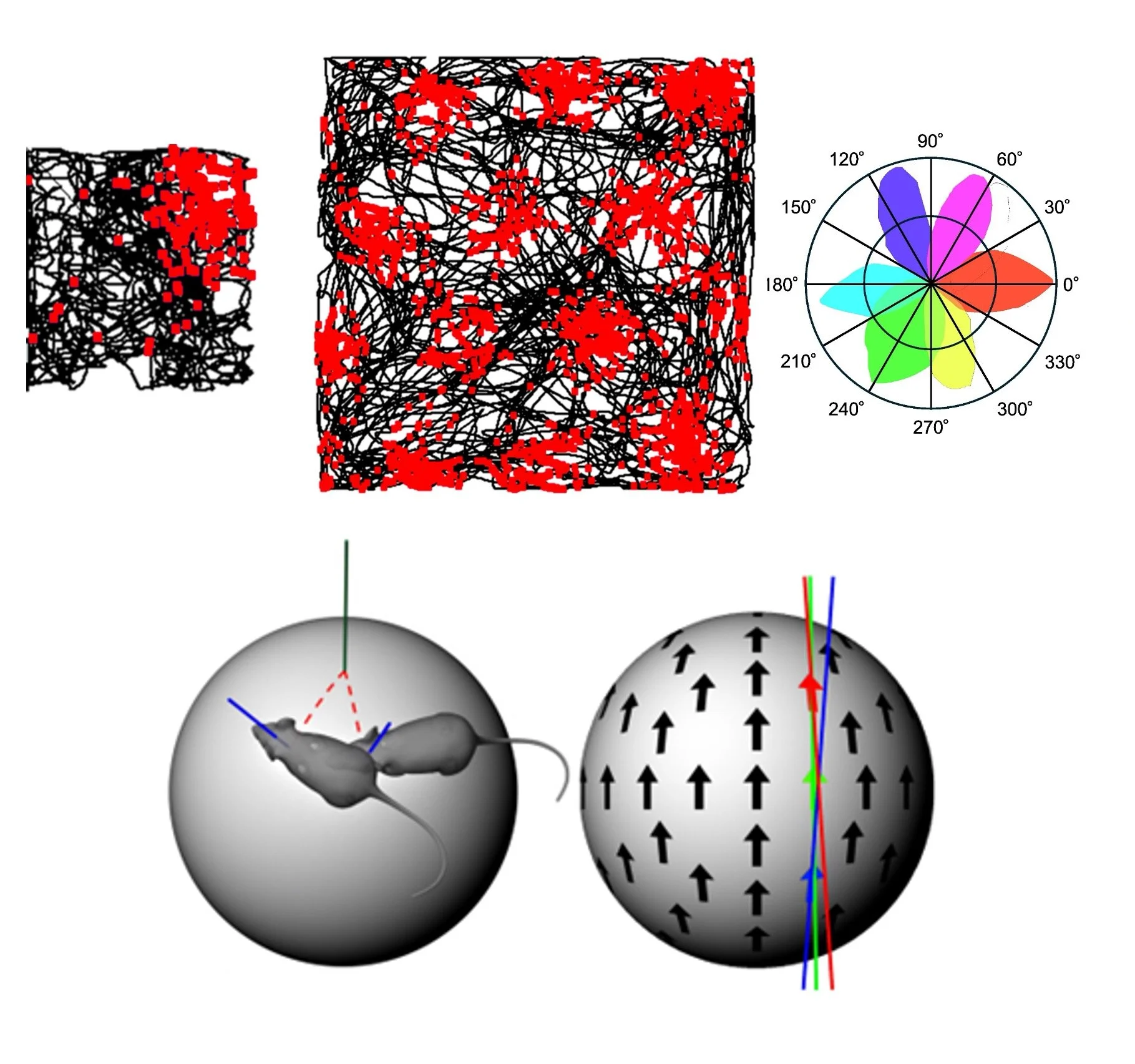
The Jeffery lab, led by Professor Kate Jeffery, focuses on the neural circuits supporting spatial and episodic memory, using chronic single neuron recordings in rats and mice as our main model system, and virtual reality studies of human cognitive mapping as a developing methodology. We have been particularly interested in how the brain maps three-dimensional and complex spaces, using the firing patterns of place cells, grid cells and head direction cells as a window into the sensory-cognitive processing. More recently we have become interested in thalamus (anterior, lateral geniculate and reuniens) in its role as an interface between hippocampal and neocortical systems. Group website: jefferylab.com
https://www.gla.ac.uk/schools/psychologyneuroscience/staff/katejeffery/
The Perry-Hauser lab is led by Dr Nicole Perry-Houser. Dr Perry-Hauser is a Lecturer at the University of Glasgow, where she leads an independent research programme focused on adhesion G protein coupled receptor (aGPCR) biology. Her long-term goal is to define how aGPCR signalling and adhesive properties influence synapse formation, neuronal wiring, and neuropsychiatric disease. Her group integrates receptor level mechanistic studies with behavioural neuroscience.
https://www.gla.ac.uk/schools/molecularbiosciences/staff/nicoleperryhauser/
The Socioecological Cognitive Neuroscience Lab, led by Dr Marianne Reddan, seeks to understand how social structures, such as neighbourhoods, socioeconomic class, and healthcare systems , shape the brain's expectations for threat, and how these expectations integrate with sensory information to influence behaviour and subjective experience. We use machine learning, neuroimaging (fMRI), psychophysiology (SCR, heart rate, pupil dilation), behavioural measures, naturalistic datasets, and large online studies to answer these questions. Group website: https://www.socioecologicalneuroscience.com/
https://www.gla.ac.uk/schools/psychologyneuroscience/staff/mariannereddan/
The Sampaio-Baptista lab, led by Dr Cassandras Sampaio-Baptista, studies how the brain adapts to experiences such as skill learning, as well as to biological processes like ageing. We are particularly interested in how brain activity regulates myelination and oligodendroglia to support learning, and whether targeting myelin can enhance cognitive-motor function in later life and delay the onset of neurodegenerative disorders. Our long-term goal is to harness brain plasticity to support learning and healthy ageing.
https://www.gla.ac.uk/schools/psychologyneuroscience/staff/cassandrasampaiobaptista/
The Self lab, led by Dr Matthew Self, studies how the brain processes visual information to guide behaviour and form memories. My research focusses on the interactions between higher visual areas, the thalamus, superior colliculus, the hippocampus and V1. I am particularly interested in the function of top-down connections which carry information about context, predictions and 3D structure back to the early visual cortex. I measure neural activity in patients who have electrodes implanted as part of their treatment. I also record and modulate neural activity in mice using Neuropixels electrodes, two-photon imaging and optogenetic techniques to study neural activity at multiple levels of processing.
https://www.gla.ac.uk/schools/psychologyneuroscience/staff/matthewself/
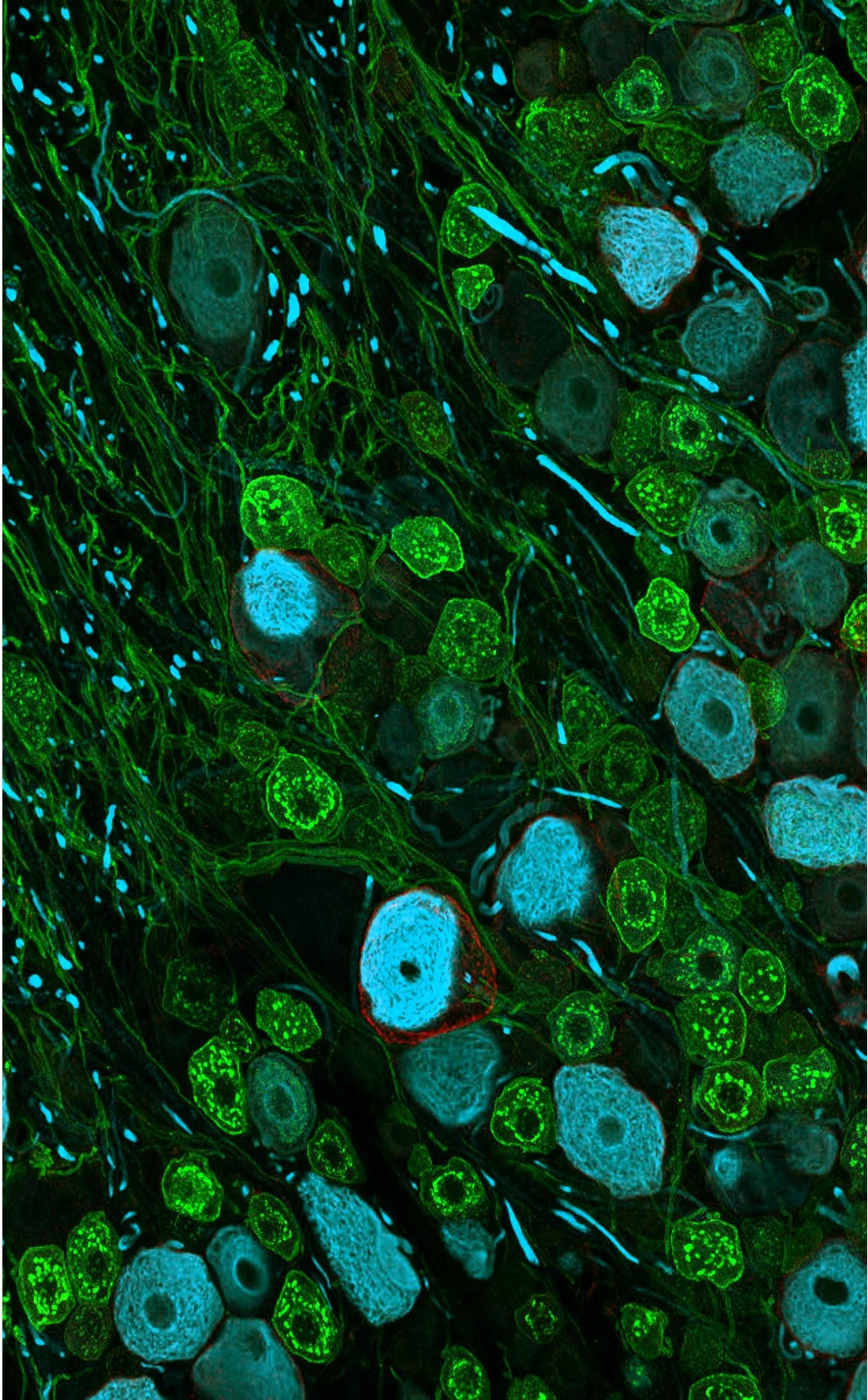
The Weir lab, led by Dr Greg Weir, studies the Neurobiology of somatosensation. Sensory neurons detect environmental cues that underlie touch, warming, cooling, itch, proprioception and pain. Using cutting edge technologies such as chemogenetics, neural tracing, transcriptomics, electrophysiology and stem-cell technology, the Weir Lab studies how they do this and what changes in the system lead to debilitating forms of chronic pain. Our ambition is to define critical disease factors and to develop technologies capable of reversing them. Group website: https://www.weirlab.org/
https://www.gla.ac.uk/schools/psychologyneuroscience/staff/gregoryweir/
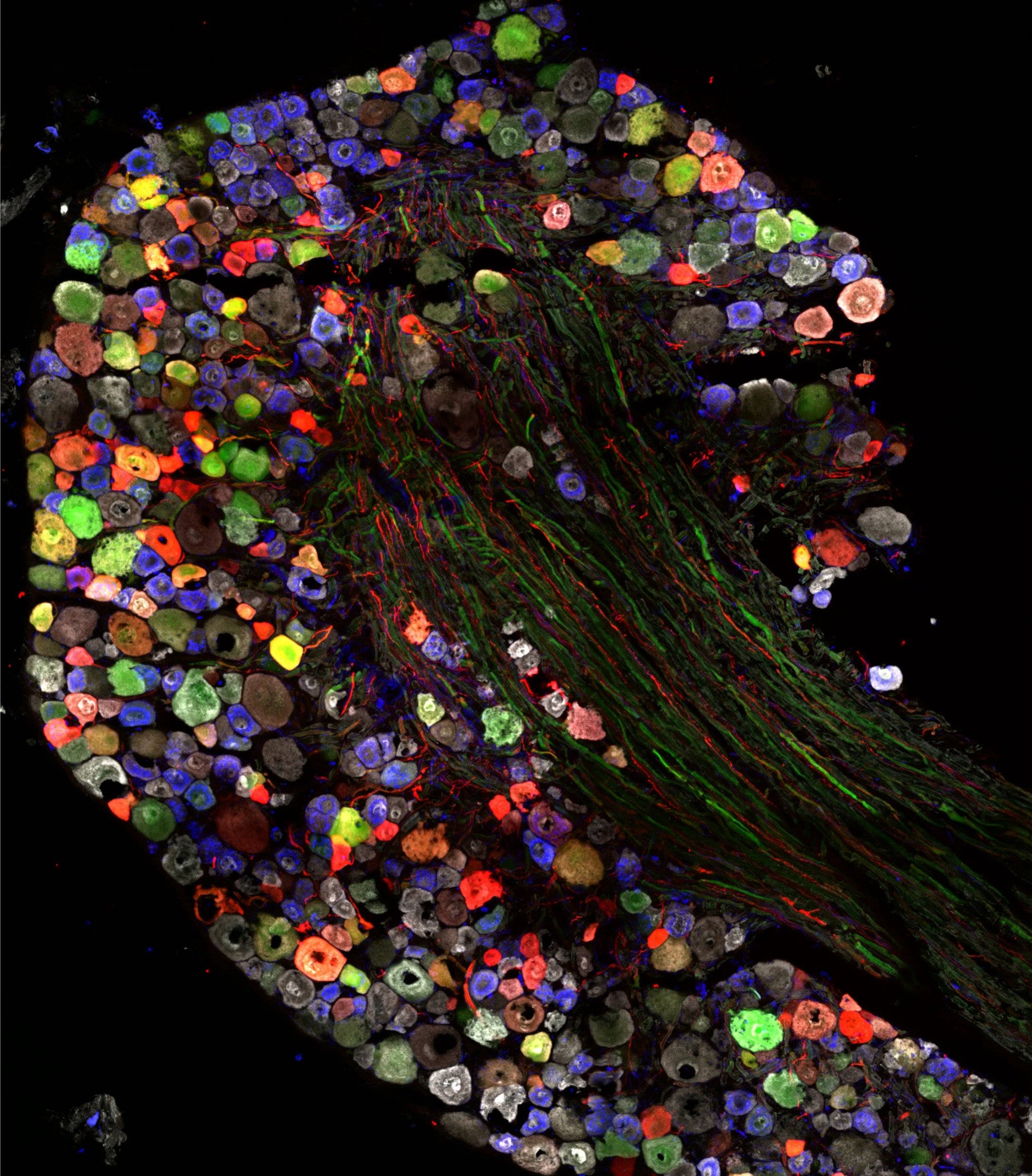
SNG representative at University of Glasgow