
University of Aberdeen – Neuroscience Research
The University of Aberdeen has a long and distinguished history in neuroscience, from the pioneering discovery that the brain produces its own morphine-like substances (enkephalins and endorphins) to leading the team responsible for the world’s first clinically useful MRI image in 1980. Today, neuroscience research is at the University of Aberdeen is principally anchored at the Old Aberdeen and Foresterhill Health campuses.
The Institute of Medical Sciences
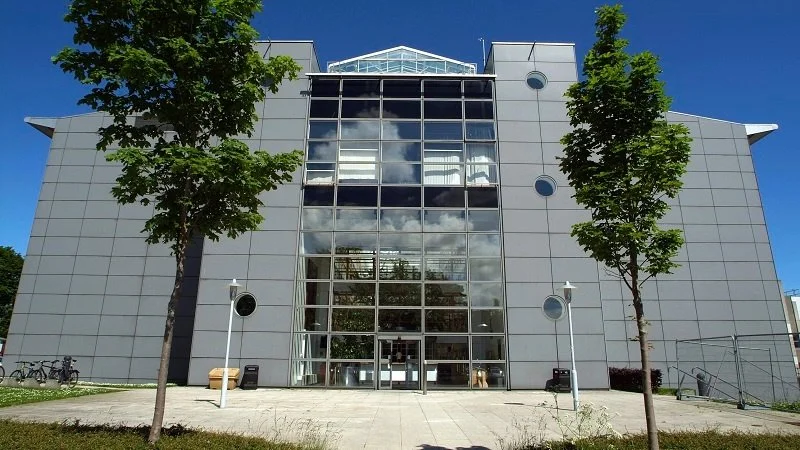
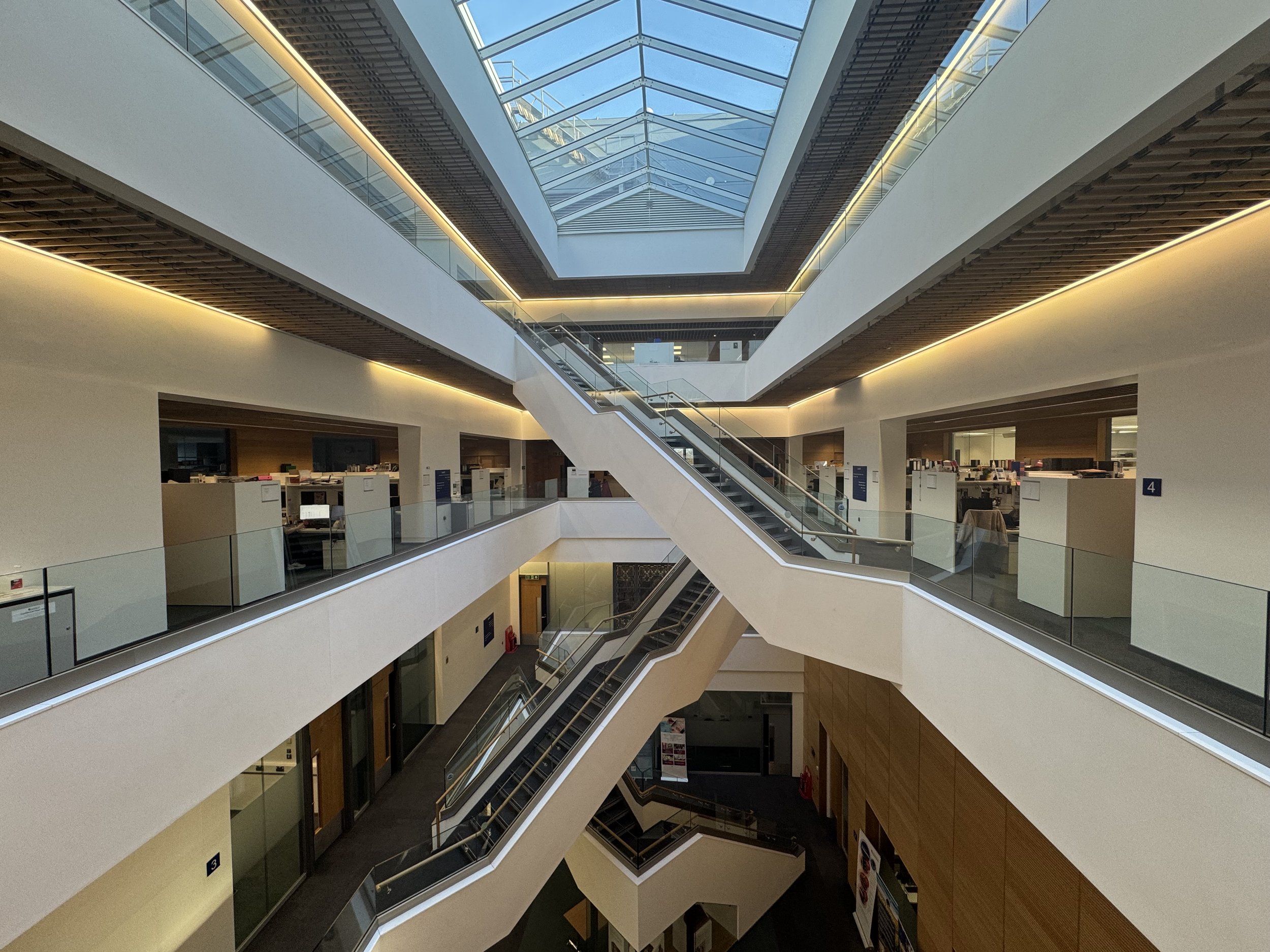
The majority of neuroscience labs are based at the Institute of Medical Sciences, where the Translational Neuroscience theme is organised into two complementary sections: Neuronal Signalling and Plasticity, and Brain Health. Together these groups investigate conditions spanning autism, spinal cord injury, Alzheimer’s disease, motor neurone disease and Parkinson’s disease, with strengths ranging from neural stem cell biology and ubiquitin signalling in neurodegeneration through to tau-based therapeutics and retinoic acid pathways in schizophrenia.
The Rowett Institute
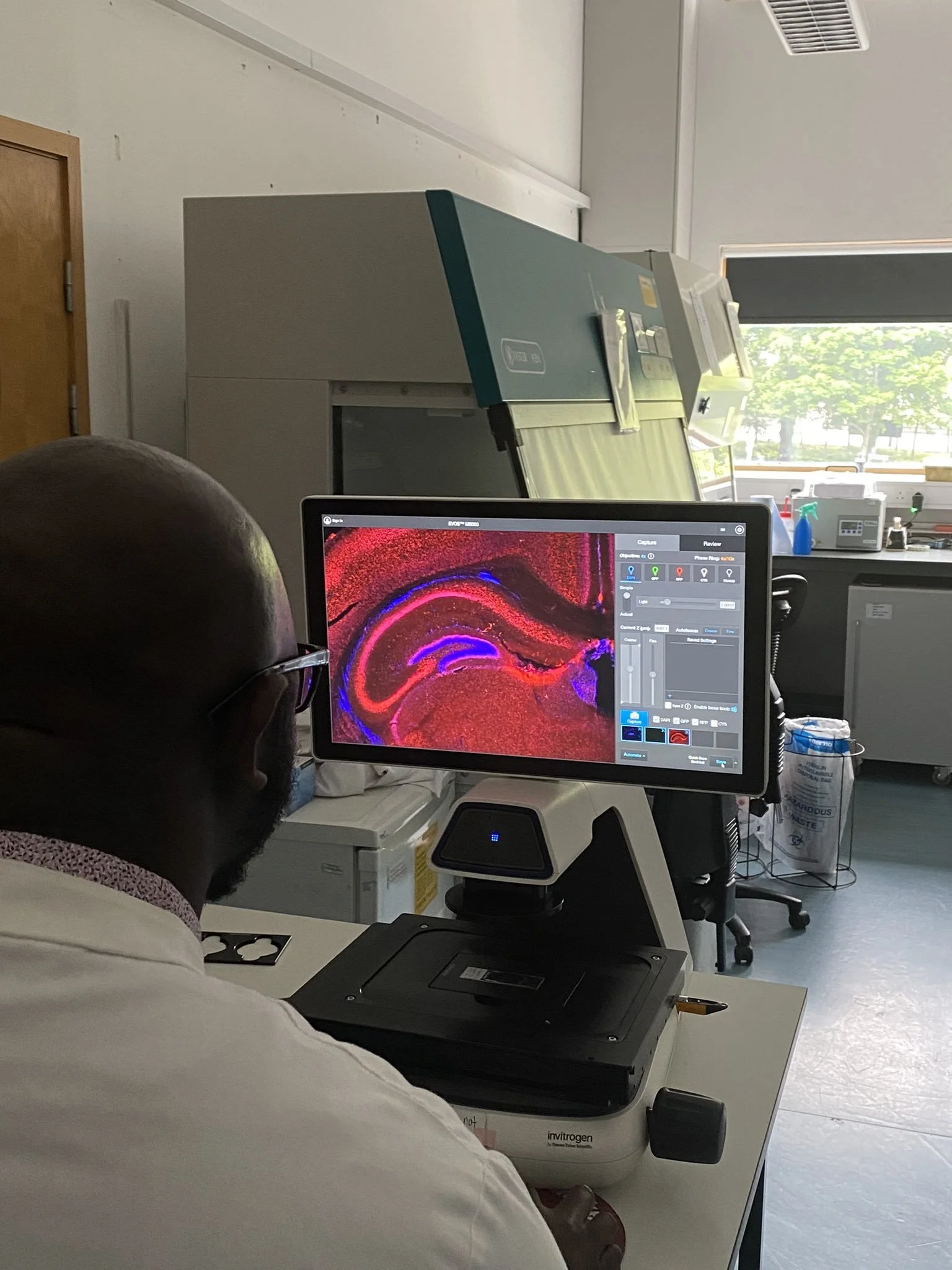
Researchers at the Rowett Institute contribute a distinctive nutritional neuroscience perspective, exploring how diet and metabolism influence brain function, neurodegeneration and mental health across the lifespan. Research groups here use cutting-edge, high-precision methodologies in studies of selected neurones within the brain in order to better understand the mechanisms though which the body controls appetite, physical activity, energy expenditure, and body composition.
The ABIC
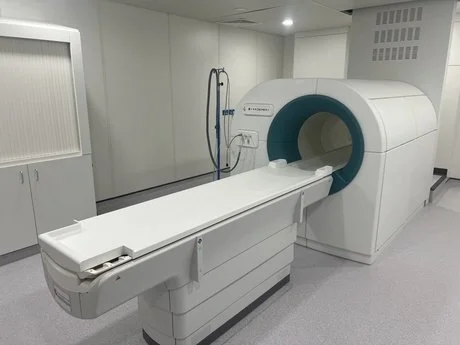
Underpinning much of this work is the Aberdeen Biomedical Imaging Centre (ABIC), a major institutional resource providing access to MRI and functional MRI for neuroscience research. Building on the university’s historic leadership in MRI — the world’s first clinical MRI scan was performed in Aberdeen — ABIC supports studies spanning neurodegeneration, fatigue, schizophrenia and cognitive ageing. The Centre works closely with NHS Grampian to translate imaging research into clinical practice.
The School of Psychology
The School of Psychology extends Aberdeen’s neuroscience activity into cognitive, behavioural and clinical domains. Research groups investigate the mechanisms underpinning attention, language, memory and decision-making across diverse populations, with particular expertise in lifespan development, neurodiversity, and the interplay between cognition, emotion and social interaction. The School houses dedicated facilities for eye-tracking, psychophysiology and high-performance computing for brain imaging analysis.
SNG representative at University of Aberdeen